
At the beginning of this year, the Trump Administration announced during Trump’s second State of the Union, that his Administration would end AIDS by 2030. Trump’s Department of Health and Human Services then announced this initiative would target 48 counties, Washington, D.C., San Juan, Puerto Rico and seven rural states with the highest burden of the disease.
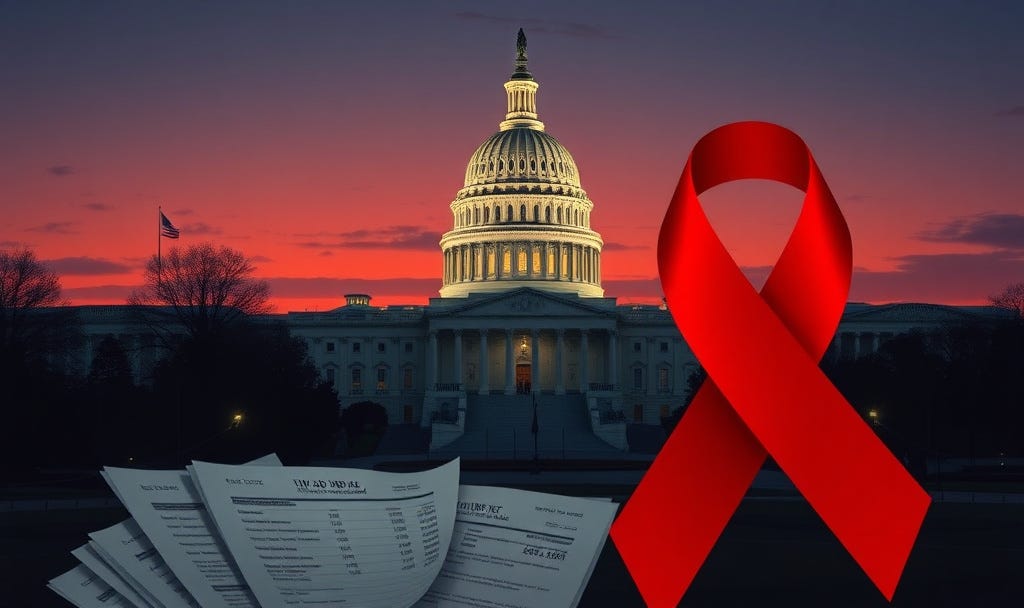
HIV organizations and Democrats were highly skeptical about the actual funding of this initiative, which was announced in a paragraph during the speech. The funding has yet to be included in the Administration’s actual budget but maybe spelled out into next year’s budget requests.
HIV activists have been highly skeptical concerning regarding Trump’s HIV proposals because formal budgets from the White House included $1.35 billion in cuts to the President’s Emergency Plan for AIDS Relief and $392 million in cuts to the Global Fund to Fight AIDS, Tuberculosis and Malaria. The proposed budget also contained rollbacks to important domestic programs such as cuts to the Housing Opportunities for Persons With AIDS (HOPWA) program and cuts to the Supportive Housing Program for Persons with Disabilities.
In order to advance this budgetary process, activists, biotechnology companies and others will have to work in a bipartisan way to ensure the authorization and appropriation for 2020-21. Trump’s consideration of funding for HIV comorbidities comes at a time when Republicans in the Senate may well ask for “pay-fors” from other parts of domestic spending.
The Trump Administration’s proposal did stimulate a promise to expand access to Gilead’s Truvada by the company promising to supply 2.4 million “free” bottles of the drug annually to an estimated 200,000 at risk people. The Administration will be responsible for distributing the drug and the cost of this distribution is not clear nor is it in the current budget. It is also unclear when this distribution will begin and whether it will be solely targeted to rural areas, a focal point of the Trump Administration’s HIV proposal and a target of the President’s re-election campaign.
As the 2018 U.S. Conference on AIDS approaches, the Trump Administration has yet to establish a consistent budget and policies that fund and support the extension of health and well-being for either long-term HIV survivors or a new generation of those infected with the disease. Those policy advocates and HIV activists will have to maintain a close eye on changes in the Administration’s budget proposals and policies in order to determine their effectiveness for the HIV and AIDS communities.
———
Originally published on PanAware on Wordpress.com on July 30, 2019. By Jeannie Wraight (column by Rick Blake, Washington, D.C. Correspondent).